Gene Tanta’s books gather poetry, prose, art books, and children’s literature.
Poetry Books
-
![Unusual Woods is Gene Tanta’s first poetry book, with a prose introduction on biography and innovation. Surreal, image-driven poems move through complicity, interiority, and dystopian fields.]()
Unusual Woods
Unusual Woods is Gene Tanta’s first poetry book, with a prose introduction on biography and innovation. Surreal, image-driven poems move through complicity, interiority, and dystopian fields.
-
![XPMK is an illuminated chapbook where drawing, translation, and fragment share the page.]()
XPMK: an illuminated chapbook
XPMK is an illuminated chapbook where drawing, translation, and fragment share the page.
-
![Cosimo & the Queen's Peach is an epistolary collection of poetic exchanges via email between Peter Hughes and Gene Tanta.]()
Cosimo & the Queen's Peach
Cosimo & the Queen's Peach is an epistolary collection of poetic exchanges via email between Peter Hughes and Gene Tanta.
-
![Last Psalm presents Constantin Acosmei’s poems as translated from the Romanian into English by Gene Tanta. A poetic collection moving through grief, existential malfeasance, and the limits of address.]()
Last Psalm
Last Psalm presents Constantin Acosmei’s poems as translated from the Romanian into English by Gene Tanta. A poetic collection moving through grief, existential malfeasance, and the limits of address.


Art Books
-
![Language as Visual Object is part of the Meditations Series by Gene Tanta on the play between words and color field.]()
Language as Visual Object
Language as Visual Object is part of the Meditations Series by Gene Tanta on the play between words and color field.
-
![Visual Ethnography is part of the Meditations Series by Gene Tanta on the purview auto-documentation opens.]()
Visual Ethnography
Visual Ethnography is part of the Meditations Series by Gene Tanta on the purview auto-documentation opens.
-
![The Angry and the Dead is part of the Mediations Series by Gene Tanta on the ethics of public memory.]()
The Angry and the Dead
The Angry and the Dead is part of the Meditations Series by Gene Tanta on the ethics of public memory.
-
![Patchwork Portraiture is part of the Meditations Series by Gene Tanta on the joys and challenges of capturing the feeling of someone.]()
Patchwork Portraiture
Patchwork Portraiture is part of the Meditations Series by Gene Tanta on the joys and challenges of capturing the feeling of someone.


Children’s Books
-
![The Plastic Knot by Gene Tanta, title tile]()
The Plastic Knot
Riley finds plastic everywhere, from the cereal bag to the cafeteria orchestra. A ruler that bends but never snaps turns the material into a mindset: noticing is the first act of change.
Picture book · Ages 4–8 · About 250 words · Manuscript complete
-
![The Plastic Breakfast by Gene Tanta, title tile]()
The Plastic Breakfast
Riley starts noticing plastic at breakfast and can't stop, from the cereal bag to the ocean's who-eats-who. A middle grade series of gentle surreal humor and vivid images, where noticing turns into doing.
Middle grade · Ages 8–12 · Books 1–2 in revision
-
![Spelling Words by Gene Tanta, title tile]()
Spelling Words
A craftswoman and her son face a gap too wide to measure. His spell, "sine, cosine, tangent," trades angles for lengths, so trigonometry arrives as magic before it arrives as math.
Picture book · Ages 6–9 · About 420 words · Manuscript complete
-
![Bayes Bunny and the Maybes by Gene Tanta, title tile]()
Bayes Bunny and the Maybes
A bunny meets each rustle and shadow with a guess, then changes its mind as new clues arrive. Maybe… then hop. Probability arrives as a feeling before it arrives as a number.
Picture book concept · Ages 3–7 · In development
-
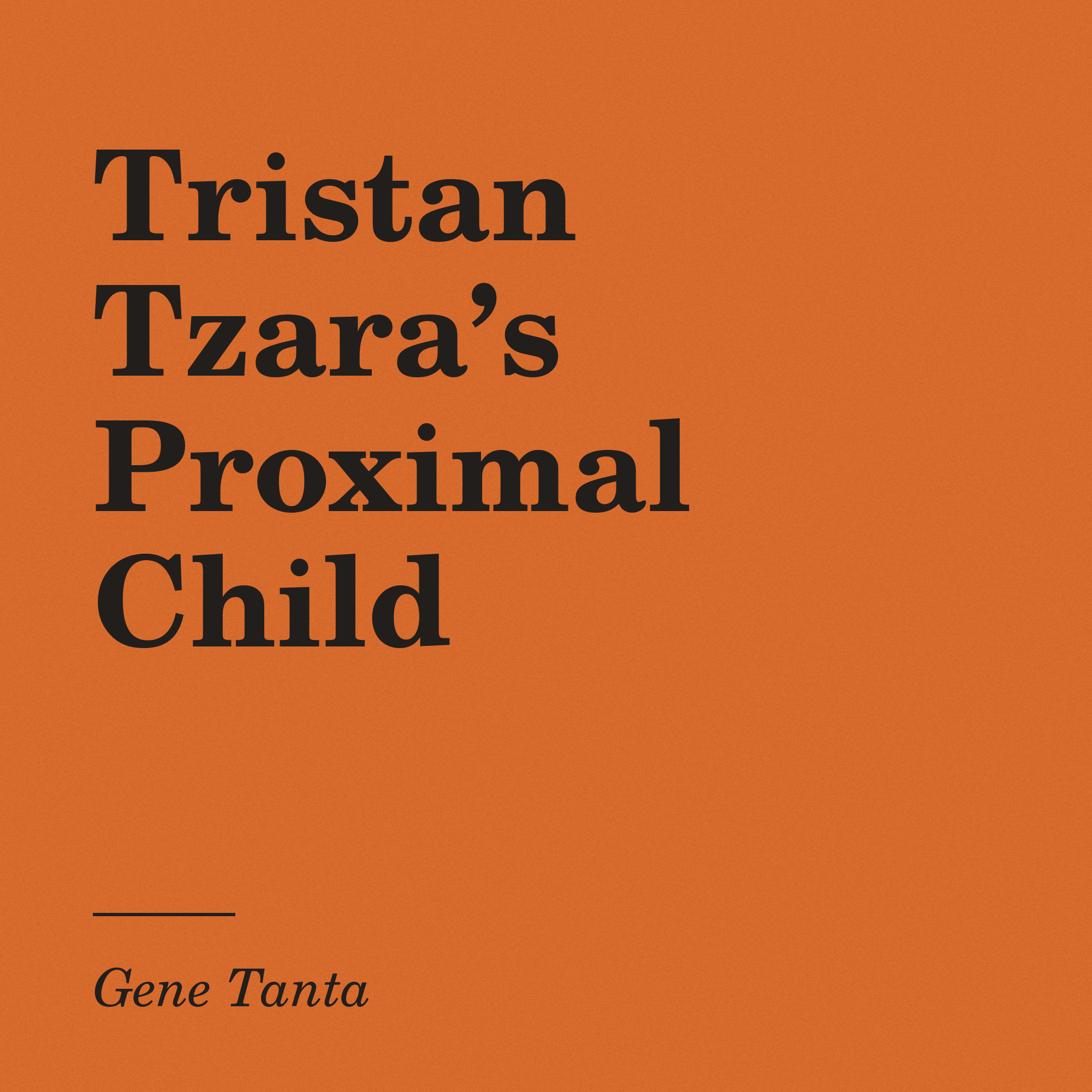
![Tristan Tzara’s Proximal Child by Gene Tanta, title tile]()
Tristan Tzara’s Proximal Child
Near and far depend on where you stand and how you move. A child finds that distance changes when the viewer does.
Picture book concept · Ages 6–9 · In development
-
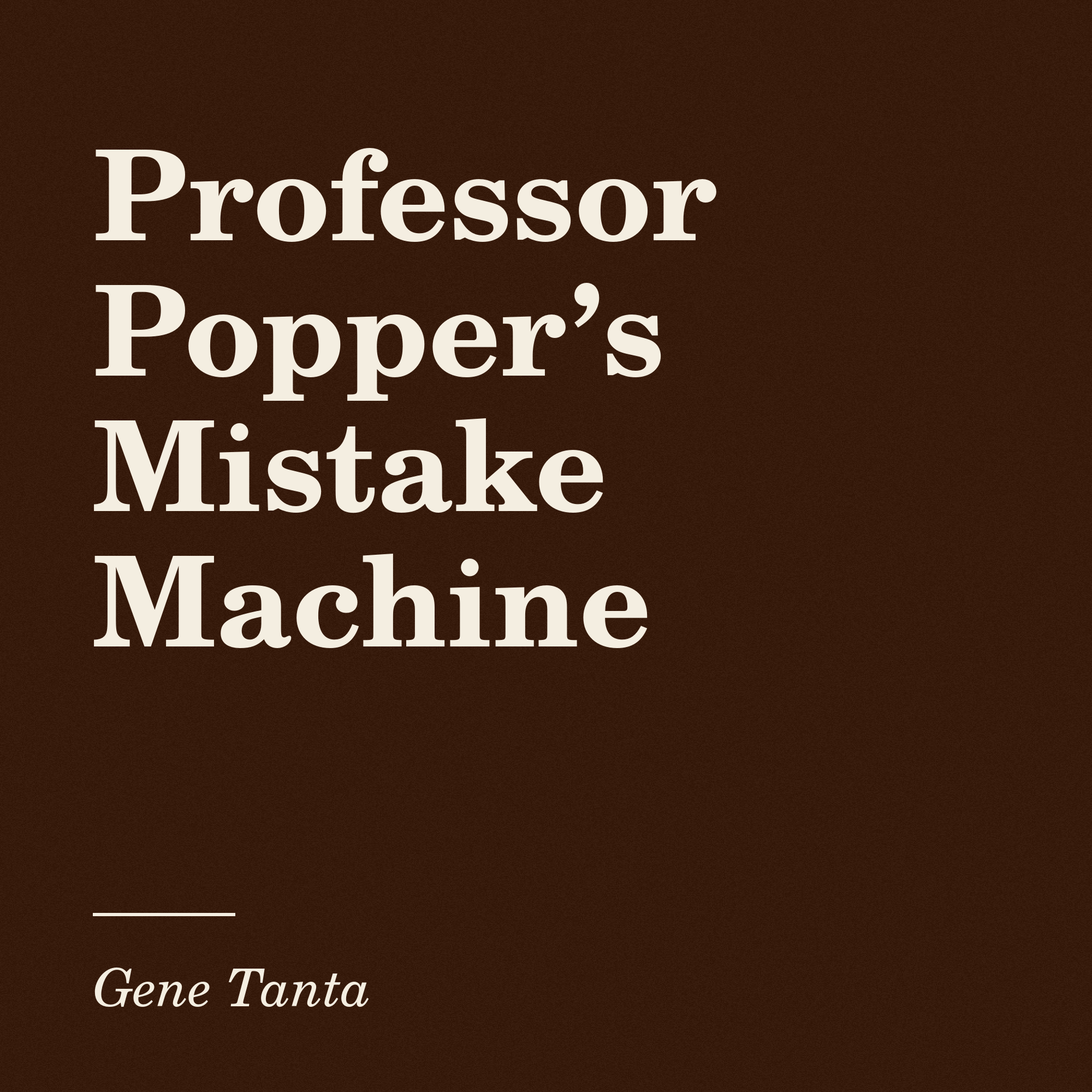
![Professor Popper’s Mistake Machine by Gene Tanta, title tile]()
Professor Popper’s Mistake Machine
Professor Popper’s machine learns the only way it can: try, fail, adjust. Try 1… Better! Every mistake moves the build forward.
Picture book concept · Ages 5–8 · In development